Learning Walker for Baby Development: Better Early Mobility

A learning walker for baby development plays a critical role in helping infants transition from sitting and crawling to standing and walking with confidence. During the first year of life, babies experience rapid physical and cognitive growth, and the tools parents choose can strongly influence how smoothly those milestones are reached. A thoughtfully designed walker provides structure, encouragement, and stimulation while allowing babies to explore movement at their own pace.
Modern parenting often balances safety, development, and independence. Parents want to support growth without rushing milestones or creating unsafe conditions. When used correctly, this type of developmental support becomes a helpful companion rather than a replacement for natural learning. A learning walker for baby development encourages strength, balance, coordination, and curiosity while giving caregivers peace of mind.
Unlike basic push toys, today’s learning walkers combine movement with interactive features that engage a baby’s senses. Many parents choose this interactive learning walker because it blends mobility and education in a way that feels natural and safe for everyday use.
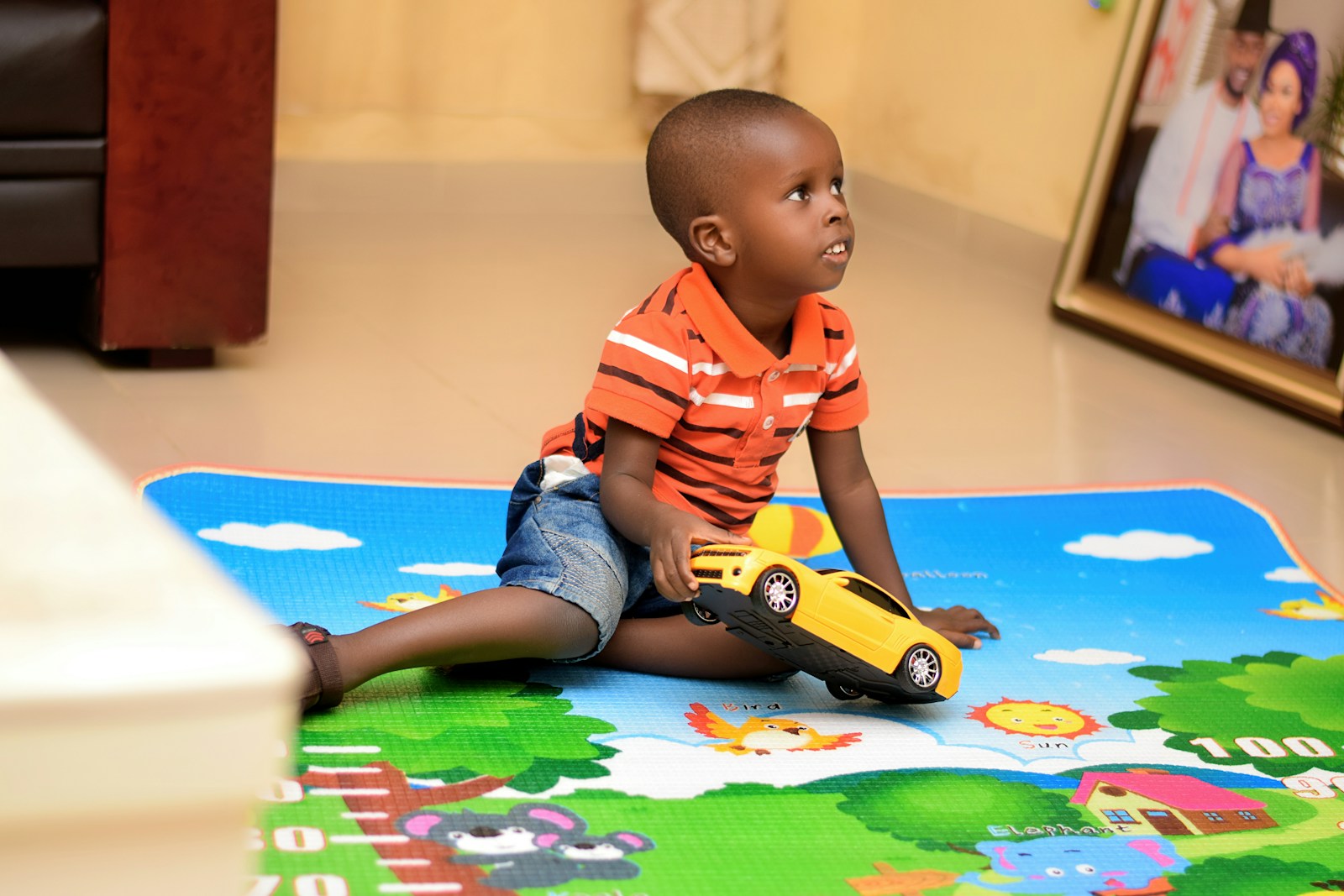
Why a Learning Walker for Baby Development Matters
A learning walker for baby development supports foundational skills that influence mobility, confidence, and learning well beyond infancy.
Supporting Natural Motor Progression With a Learning Walker for Baby Development
Babies naturally progress from rolling to sitting, crawling, standing, and eventually walking. A learning walker supports this progression by offering a stable surface for pulling up and practicing balance. Rather than forcing movement, it allows babies to experiment safely with weight-bearing and coordination.
The Centers for Disease Control and Prevention explains that motor development varies for every child, and supportive environments help children reach milestones naturally. A walker used appropriately contributes to that supportive environment.
Encouraging Confidence Through Repetition
Confidence is built through repeated success. Each time a baby pulls up, steadies themselves, or takes a step while using a learning walker, they reinforce trust in their own abilities. This confidence often transfers into other developmental areas, including exploration and social interaction.
Physical Benefits of a Learning Walker for Baby Development
Strengthening Core and Leg Muscles With a Learning Walker for Baby Development
Standing and walking require coordinated muscle engagement. When a baby uses a learning walker, they activate their core, hips, thighs, and calves. This strengthens muscles essential for posture, balance, and independent walking.
Unlike passive equipment, a learning walker requires active participation. Babies push, stabilize, and adjust their movements, which supports long-term physical development.
Improving Balance and Coordination
Balance is a learned skill. A learning walker provides a controlled environment where babies practice shifting weight, adjusting foot placement, and coordinating upper and lower body movement.
Research shared by the National Institutes of Health shows that early balance practice supports motor coordination and helps children feel more secure when transitioning to independent walking.

Cognitive Growth Through a Learning Walker for Baby Development
Cause-and-Effect Learning
Many learning walkers include buttons, lights, music, and sound responses. When a baby interacts with these features and receives feedback, they begin learning cause and effect — a core cognitive skill that supports problem-solving later in life.
Language Exposure and Early Communication
Interactive elements that introduce letters, numbers, and songs help babies become familiar with sounds, rhythms, and words. Repeated exposure supports early language development.
The American Academy of Pediatrics emphasizes that early exposure to language-rich environments supports later communication and literacy skills.
Sensory Engagement and Focus
Bright colors, textures, and movement-based features support visual tracking and sensory processing. These experiences help babies develop attention, focus, and curiosity in a safe, engaging way.
Emotional and Social Benefits of a Learning Walker for Baby Development
Building Independence Safely
A learning walker allows babies to move independently while remaining supported. This independence encourages curiosity and exploration without compromising safety.
Babies who feel capable of moving on their own often demonstrate increased confidence and engagement with their surroundings.
Supporting Emotional Regulation
Movement plays a key role in emotional regulation. When babies can move, push, and explore, they release energy and reduce frustration. This often leads to calmer behavior and more positive moods throughout the day.
Safety Considerations for a Learning Walker for Baby Development
Stability and Thoughtful Design
A quality learning walker features a wide base and balanced weight distribution to prevent tipping. Stability is especially important as babies lean forward or shift their weight while learning to walk.
The U.S. Consumer Product Safety Commission provides safety guidance emphasizing stable designs and supervised use for infant mobility products.
Supervised and Proper Use
A learning walker supports development but does not replace supervision. It should always be used on flat surfaces, away from stairs or hazards, and within recommended time limits.
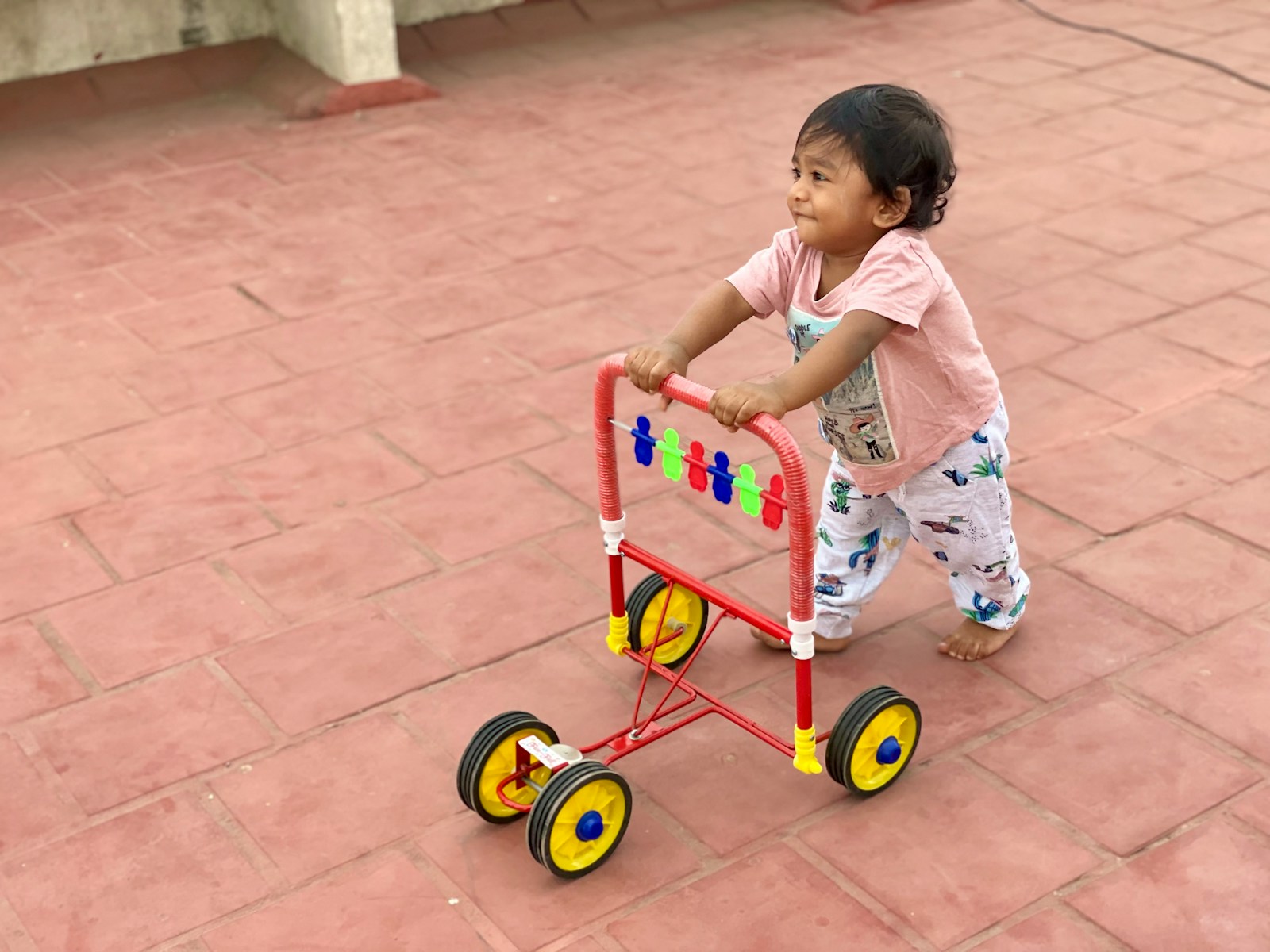
How Parents Use a Learning Walker for Baby Development Daily
Morning Movement and Skill Practice
Many parents use a learning walker during morning hours when babies are alert and energetic. Short, consistent sessions help build strength without overstimulation.
Supporting Independent Play at Home
While parents prepare meals or manage household tasks, a learning walker allows babies to stay engaged nearby. This supports independence while maintaining awareness.
Families often rely on this sit-to-stand learning walker because it combines mobility and interactive learning in one supportive design. You can view it directly through this learning walker to see how it fits into daily routines.
Choosing the Right Learning Walker for Baby Development
Adaptability as Babies Grow
A good learning walker grows with the baby. Features like removable activity panels or sit-to-stand transitions extend usability across multiple developmental stages.
Ease of Use for Parents
Simple assembly, manageable weight, and easy storage matter for daily use. Parents are more likely to use tools consistently when they fit naturally into home routines.
Balanced Entertainment and Development
A well-designed learning walker avoids overstimulation while still keeping babies engaged. Balance is key for effective learning.
Many parents consider this developmental option for its balance of safety, learning, and durability. Reviewing this product option helps parents evaluate whether it aligns with their child’s needs.
Learning Walker for Baby Development and Long-Term Skills
Supporting Confidence in Early Mobility
Babies who practice upright movement with support often transition more smoothly into independent walking. The confidence gained during this stage carries forward.
Encouraging Exploration and Curiosity
Movement fuels curiosity. Babies who can move freely tend to explore more, engage with objects, and develop early problem-solving skills.
Strengthening Parent-Child Interaction
Parents often talk, encourage, and celebrate progress during walker play. These interactions reinforce bonding and communication.
Best Practices for Using a Learning Walker for Baby Development
Short, Consistent Sessions
Several short sessions throughout the day are more effective than long periods of use. This prevents fatigue and maintains engagement.
Combine With Floor Play
A learning walker should complement — not replace — crawling, sitting, and free floor play. A balanced approach supports full motor development.
Follow Your Baby’s Pace
Babies should lead their own progress. Gentle encouragement works better than pressure.
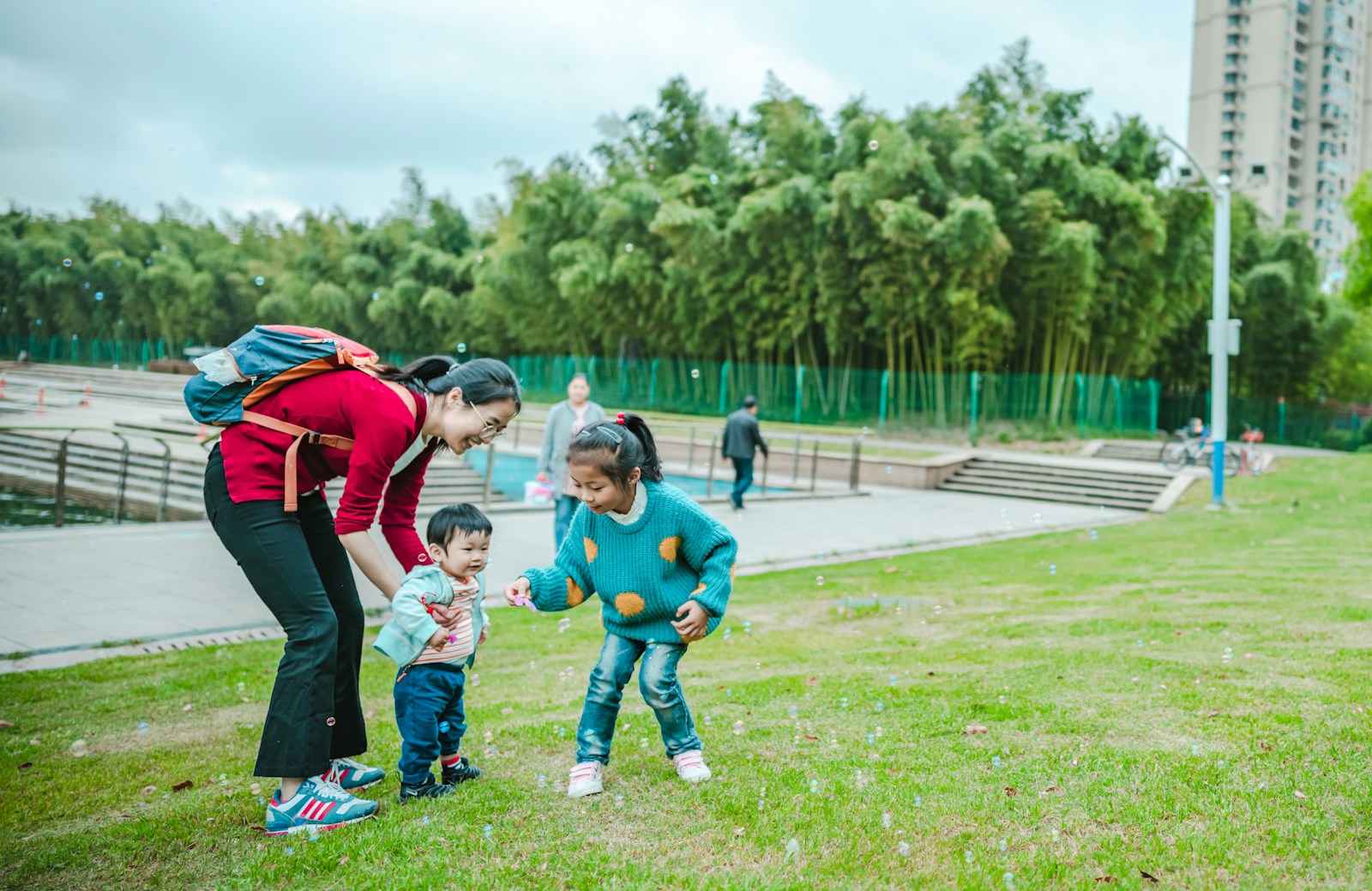
Addressing Common Concerns About a Learning Walker for Baby Development
Will It Delay Walking?
When used correctly, learning walkers do not delay walking. They support strength and confidence that contribute positively to readiness.
Is It Safe for Daily Use?
Yes, when used under supervision, on flat surfaces, and within recommended time limits.
Does It Replace Interaction?
No. Walkers are tools that support development, not substitutes for engagement.
Guidance from HealthyChildren.org supports the responsible use of developmental toys as part of a healthy learning environment.
How Modern Design Has Improved Learning Walkers
Today’s learning walkers feature improved stability, safer materials, and development-focused design. Modern research informs how these tools support growth without overstimulation.
Many parents review this learning solution when upgrading their child’s play environment. Exploring this walker model shows how modern design supports safe early mobility.
Integrating a Learning Walker for Baby Development Into Daily Life
Pairing Movement With Rest
Active play should be balanced with rest, quiet play, and naps to support healthy energy regulation.
Encouraging Exploration Beyond the Walker
As confidence grows, babies naturally explore beyond the walker. This progression signals healthy development.
Maintaining a Safe Home Environment
As mobility increases, baby-proofing becomes increasingly important to support safe exploration.
Conclusion: Why a Learning Walker for Baby Development Supports Healthy Growth
A learning walker for baby development is more than a mobility aid. It is a supportive developmental tool that encourages strength, coordination, confidence, and curiosity during a critical growth stage.
When used thoughtfully, a learning walker helps babies explore movement safely while supporting physical, cognitive, and emotional development. Paired with attentive parenting and a safe environment, it becomes a valuable part of early learning.
By choosing a balanced, well-designed option and using it responsibly, families create an environment where babies can grow, explore, and thrive with confidence.