

An orthopedic dog bed for large dogs is not a luxury—it is a practical solution for improving comfort, joint health, and daily mobility in heavier breeds. Large dogs place significant pressure on their joints every time they lie down, stand up, or shift positions during sleep. Over time, that pressure can lead to stiffness, soreness, and chronic discomfort that affects not only how they sleep, but how they move throughout the day. Many owners do not realize that the surface their dog sleeps on plays a direct role in long-term joint health and overall quality of life.
Large breeds age faster than smaller dogs, and joint stress accumulates earlier due to body weight alone. When a dog sleeps on a bed that compresses too quickly or lacks proper support, their hips, elbows, shoulders, and spine absorb unnecessary strain. The right orthopedic dog bed can reduce that pressure, promote better posture during rest, and help dogs wake up feeling more comfortable and energized. Choosing the correct bed is one of the simplest yet most effective ways to support a large dog’s health over time.

Explore this premium bed option here for a closer look at design and features.
Why Large Dogs Need an Orthopedic Bed
Large dogs experience joint stress differently than smaller breeds. Their weight creates deeper pressure points when lying down, especially on hard floors or low-quality beds that flatten quickly. Over time, this repeated stress contributes to joint inflammation, stiffness, and reduced mobility. An orthopedic dog bed for large dogs is designed to distribute weight evenly, minimizing pressure on sensitive joints.
As dogs grow older, their joints naturally lose cushioning. Cartilage wears down, muscles weaken, and recovery takes longer after activity. Large breeds feel these changes more intensely because of the constant load placed on their joints. Without proper support during rest, the body never fully recovers. Orthopedic beds help offset this by providing a stable, supportive surface that allows joints to relax instead of compress.
Another overlooked factor is sleep quality. Dogs, like humans, need deep, uninterrupted rest to repair tissues and maintain energy levels. A bed that collapses under weight forces frequent repositioning, interrupting sleep cycles. A properly designed orthopedic dog bed for large dogs supports the body evenly, encouraging longer, deeper rest periods that contribute to better overall health.
For more on joint health in dogs, see guidance from the American Veterinary Medical Association.
How an Orthopedic Dog Bed Improves Joint Health
An orthopedic dog bed for large dogs works by using high-density foam that responds to body weight without bottoming out. Unlike standard dog beds that rely on loose stuffing or thin padding, orthopedic foam maintains its shape while contouring to the dog’s body. This balance between firmness and adaptability reduces pressure on joints while supporting proper alignment.
Joint health improves when pressure is evenly distributed across the body. Instead of hips and shoulders bearing the majority of weight, orthopedic foam spreads that load across a wider surface area. This reduces inflammation and helps prevent the development of pressure sores in dogs that spend extended periods resting.
Consistent use of an orthopedic bed can also improve circulation. When joints and muscles are not compressed against hard surfaces, blood flows more freely, delivering oxygen and nutrients needed for tissue repair. Over time, this can lead to noticeable improvements in mobility, especially in older dogs or those recovering from injury.
Best Dog Bed for Large Dogs with Arthritis
Dogs suffering from arthritis need more than just softness—they need stability. An orthopedic dog bed for large dogs with arthritis must support joints without allowing them to sink too deeply. Excessive sinking can actually worsen joint alignment and increase discomfort when the dog tries to stand up.
Arthritic dogs often struggle most when transitioning from lying down to standing. A supportive bed helps maintain a neutral joint position, making it easier for the dog to rise without sudden strain. Many owners notice that dogs using orthopedic beds show less hesitation when standing and appear more comfortable throughout the day.
Temperature regulation also matters. Dogs with arthritis are often sensitive to cold, which can stiffen joints. Quality orthopedic beds provide insulation from cold floors while maintaining a consistent surface temperature. This combination of support and comfort makes an orthopedic dog bed for large dogs an essential tool for managing arthritis-related discomfort.
For additional advice on arthritis care, visit VetMed Resource Center.
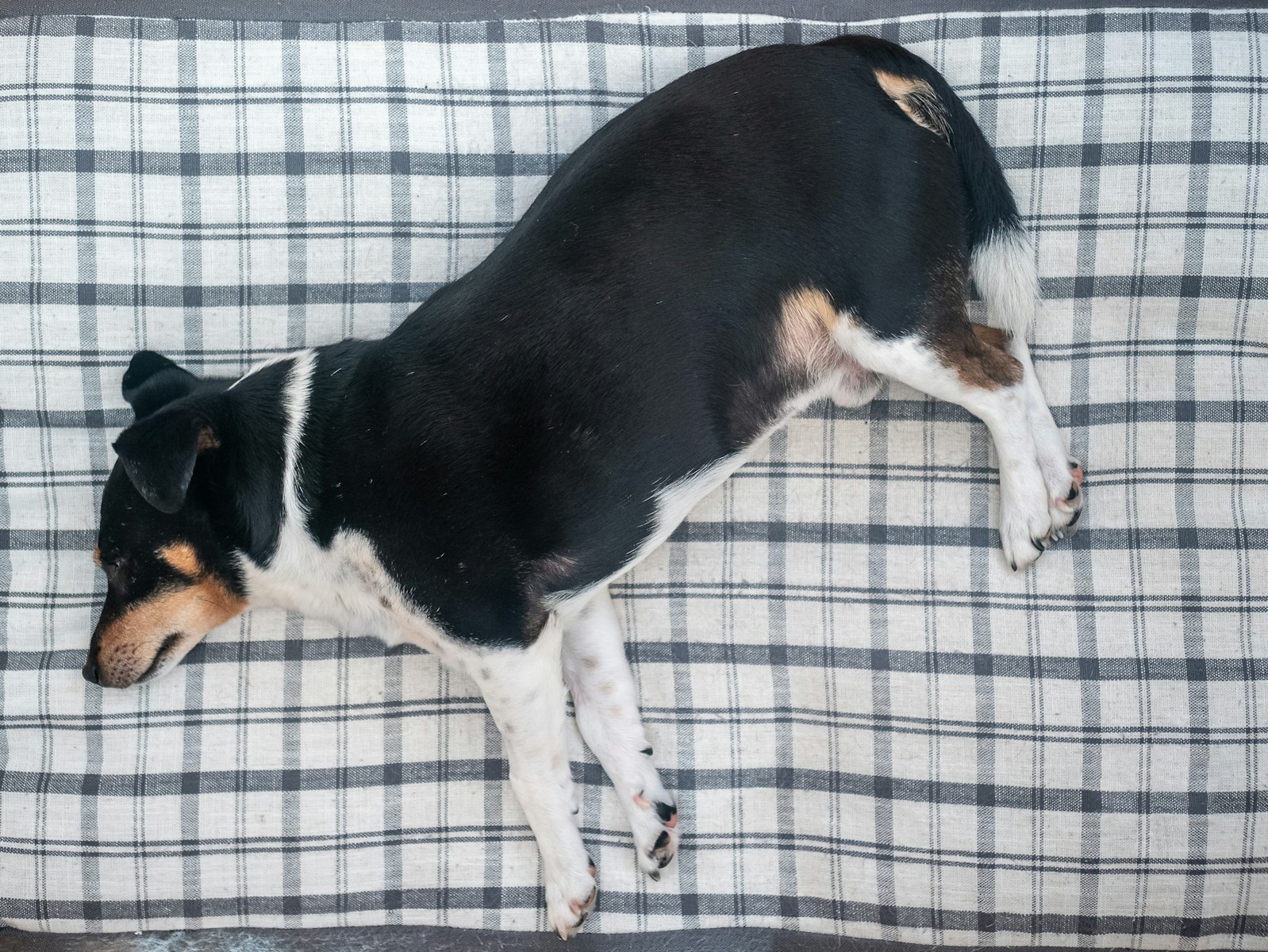
What Makes a High-Quality Orthopedic Dog Bed
Not all orthopedic dog beds are created equal. Foam density is one of the most important factors. Low-density foam may feel comfortable initially but compresses quickly under a large dog’s weight, losing its supportive properties. High-density foam retains its shape over time, providing consistent support night after night.
Thickness also plays a critical role. An orthopedic dog bed for large dogs should be thick enough to prevent the dog from feeling the floor beneath them. Thin beds may advertise orthopedic benefits, but without adequate depth, they cannot provide true pressure relief for heavier breeds.
Durability matters as well. Large dogs are harder on their beds due to weight, movement, and nesting behaviors. A quality orthopedic bed uses reinforced seams, strong covers, and resilient foam that withstands daily use without breaking down prematurely.
Proper Foam Thickness for Large Dogs
Foam thickness directly affects how well an orthopedic dog bed for large dogs performs. Beds that are too thin allow pressure to concentrate at the hips and shoulders, negating the benefits of orthopedic design. Thicker foam provides a buffer between the dog and the floor, ensuring consistent support.
For large breeds, foam thickness should generally be no less than seven inches. This allows the foam to compress gradually rather than fully collapsing under weight. The result is a supportive surface that adapts to the dog’s shape without sacrificing firmness.
Thickness also contributes to longevity. Thicker foam experiences less extreme compression, helping it maintain its structure longer. This means fewer replacements and better long-term value.

Support vs Softness
Many dog owners assume softer beds are better, but softness alone does not equal support. An orthopedic dog bed for large dogs must strike a balance between comfort and stability. Beds that are too soft allow joints to sink into unnatural positions, which can worsen discomfort over time.
Supportive beds feel firm initially but become comfortable as the foam responds to body heat and pressure. This controlled response keeps the spine aligned and joints properly positioned. Dogs often prefer this type of bed once they adjust, showing longer rest periods and improved mobility.
Soft outer covers can add comfort without compromising support. The key is ensuring that the underlying foam provides the necessary structure while the surface materials enhance relaxation.
Orthopedic Dog Bed vs Regular Dog Bed
The difference between an orthopedic dog bed for large dogs and a regular dog bed lies in construction and performance. Regular beds typically use loose stuffing or low-density foam that compresses quickly. While they may appear comfortable at first, they offer little long-term support.
Orthopedic beds are designed with joint health in mind. They maintain their shape, distribute weight evenly, and support proper alignment. Over time, this leads to improved comfort, better sleep, and reduced strain on joints.
Although orthopedic beds often cost more upfront, they tend to last longer and provide tangible health benefits. When considering replacement frequency and potential veterinary costs, orthopedic beds often represent better overall value.
Explore this premium orthopedic bed option here to see design details and features in real life.